Memory Games
Turn two cards, remember what was underneath, turn two more. It is the first game most people learn and it stays surprisingly hard.

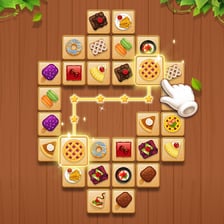

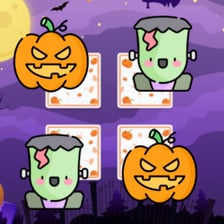
Pairs, concentration, memory
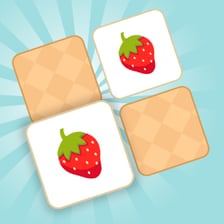
Three names for the same game, and which one you grew up with mostly depends on where you grew up. The rules have never needed explaining: all the cards start face down, you turn two on your turn, and if they match you keep them and go again. If they do not, they go back and the only thing you gain is knowing where they were.
That last part is the whole game. A turn that finds no pair is not a wasted turn, it is the turn that pays for the next one.
What is here
- Memory Match Puzzle is the plain version, with a grid size you choose.
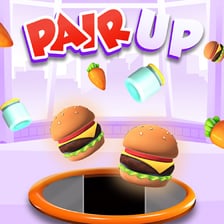
- Pair Up and Mosaic Artimo are the same idea with different artwork and pacing.
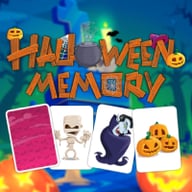
- Scary Memory Halloween and Halloween Memory are the seasonal sets, available all year.
- Box Battle turns it into a contest rather than a solo run.
- Flip Out is the quick one, good for a couple of minutes.
Getting better at it
- Say what you see. Naming a card silently, even just the colour, makes it far more likely to come back later. Pictures you never named are pictures you never stored.
- Turn cards in a fixed order rather than at random. A path through the grid is much easier to remember than a scatter.
- Remember positions relative to the corners and edges, not as a coordinate. Third from the left in the top row is a memory. Row one column three is a fact you have to hold.
- On a big grid, work one half properly rather than sampling all of it. Half a grid you know beats a whole grid you half know.
- Slow down on the first pass. The early turns are all information gathering, and rushing them is the single most common way to lose.
Is it good for children?
It is one of the few games that genuinely suits everybody at the table, because a small child playing against an adult is not obviously going to lose. Short term recall of this specific kind does not favour age much, and plenty of adults are quietly worse at it than the children they are playing with.
Frequently asked questions
How many cards should I play with?
Twelve to sixteen is a comfortable game and a short one. Twenty four is a real test. Above that it stops being about memory and starts being about patience, because the grid gets bigger faster than anybody can hold it.
Can two people play?
Box Battle is built for a contest. The rest are solo, though the traditional way of playing this game, taking turns and keeping the pairs you find, works perfectly well by passing one device back and forth.
Does playing this improve my memory?
It gives short term recall a workout, and you will certainly get better at this game. Whether that carries over to remembering names or where you left your keys is much less clear than the marketing around brain training suggests, so play it because it is a good game rather than as a treatment.
Is there a timer?
Most count your moves or your seconds rather than cutting you off. Nothing here ends before you have finished, which makes it one of the calmer categories on the site.
What is the difference between this and a matching puzzle?
Here the cards are face down and the difficulty is remembering. In a tile matching game like mahjong everything is visible from the start and the difficulty is which tiles are free to take. Same word, opposite puzzle.