Match 3 Games
Line up three of a kind and the board falls in on itself, offering something you could not see a moment ago. The good ones are quietly about planning two moves ahead.

















 Candy Line Boom




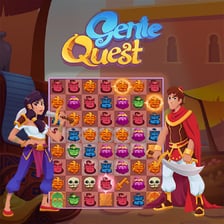


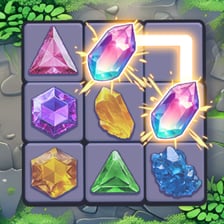
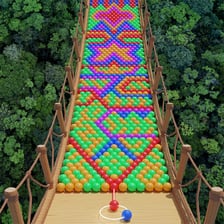










 Test Game V130 New
  Candy Bubble New
  Arkadium's Jewel Shuffle New
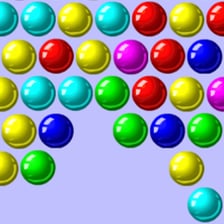
  Arkadium's Bubble Shooter
 Which kind of match three is this?
Four different games hide under one name, and they do not play alike. Knowing which one you are looking at saves a lot of clicking.
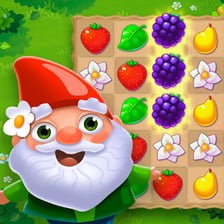
- Swap games ask you to exchange two neighbouring pieces to line up three. Jewels Blitz 4, Garden Bloom and Cookie Crush 3 are the ones to start with.
- Connect games ask you to join two identical tiles along a clear path, and nothing ever moves. Butterfly Kyodai and Onet Connect Classic work this way, which puts them closer to mahjong than to the rest of this shelf.
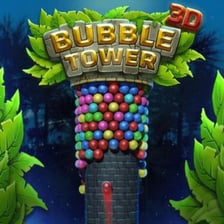
- Shooters fire a piece from the bottom of the screen into a cluster hanging above it. Smarty Bubbles and Bubble Woods are the familiar version.
- Merge games combine three of the same thing into one better thing, then three of those into something better again. Candy Shop Merge is the clearest example here.
What separates a good player from a lucky one?
Match three looks like a game about spotting pairs and is really a game about what happens next.
- Work from the bottom of the board. Clearing low pieces moves everything above them, and clearing the top moves almost nothing.
- Before you take an obvious match, check whether the same pieces could make a longer one.
- Special pieces come from matching four or five rather than three, and they are worth going out of your way for.
- Two specials set off next to each other usually do more than the two of them used separately.
- When a level sets a target rather than a score, stop clearing everything and clear only what the target asks for.
A timer, a level, or another person?
Worth knowing before you begin, because it decides how long you are committing to.
Jewel Shuffle runs on a clock and ends when the clock does, which makes it the right pick for ten minutes. Level games such as Garden Bloom hand you an objective and a move limit, so a level can be lost and is meant to be replayed. Match Masters and Match Arena put somebody else on the far side of the same board and take turns, which is a different game again.
Where the difficulty actually comes from
Not from the matching. Every board has a match on it somewhere, and the games that shuffle themselves guarantee it. The difficulty comes from the constraint the level puts on top: a move limit, a piece that has to be brought down to the bottom row, a tile that only breaks when a match happens next to it. Read the objective before the first move and the level usually gets shorter.
Frequently asked questions
Do these games ever become impossible?
Most shuffle themselves when no move is left, so a board cannot dead end. Levels with a move limit are a different matter: those can be lost, and losing one is part of how they are meant to go.
Is there a version without levels?
Yes. Several here run on a timer or endlessly with no progression at all, which is the better choice if you want a short sitting rather than a campaign.
What is the difference between match three and mahjong?
In match three the board reacts: pieces vanish and everything above them falls. In mahjong nothing moves, and the puzzle is which tiles are free to take. The connect games here sit between the two, and if that is the part you like, the mahjong category has far more of it.
Do they work on a phone?
They are better on one. Swapping and firing were designed for a finger, and the boards scale to a narrow screen without pushing pieces off the edges.
Does my progress save?
There is no account here. Some of these games remember where you were using the storage built into your browser, which survives closing the tab but not clearing your browsing data or moving to another device.